The Return of Wind-Powered Shipping
The future of ocean shipping might look surprisingly old-fashioned. After decades of relying almost entirely on engines, fuel and increasingly sophisticated onboard technology, the shipping industry is taking another look at something sailors have depended on for thousands of years: wind.
Maersk is preparing to put that idea to work on a modern container ship, agreeing to install a 35-meter rotor sail on one of its 8,700-TEU vessels. Developed by Anemoi Marine Technologies, the rotor sail is expected to be installed by mid-2027 and tested while the ship continues its normal commercial operations. Instead of a conventional sail catching the wind, the system uses a tall rotating cylinder to create additional forward thrust. In practical terms, that means the ship’s engines may not have to work quite as hard, potentially cutting both fuel consumption and greenhouse-gas emissions without changing the way the vessel operates.
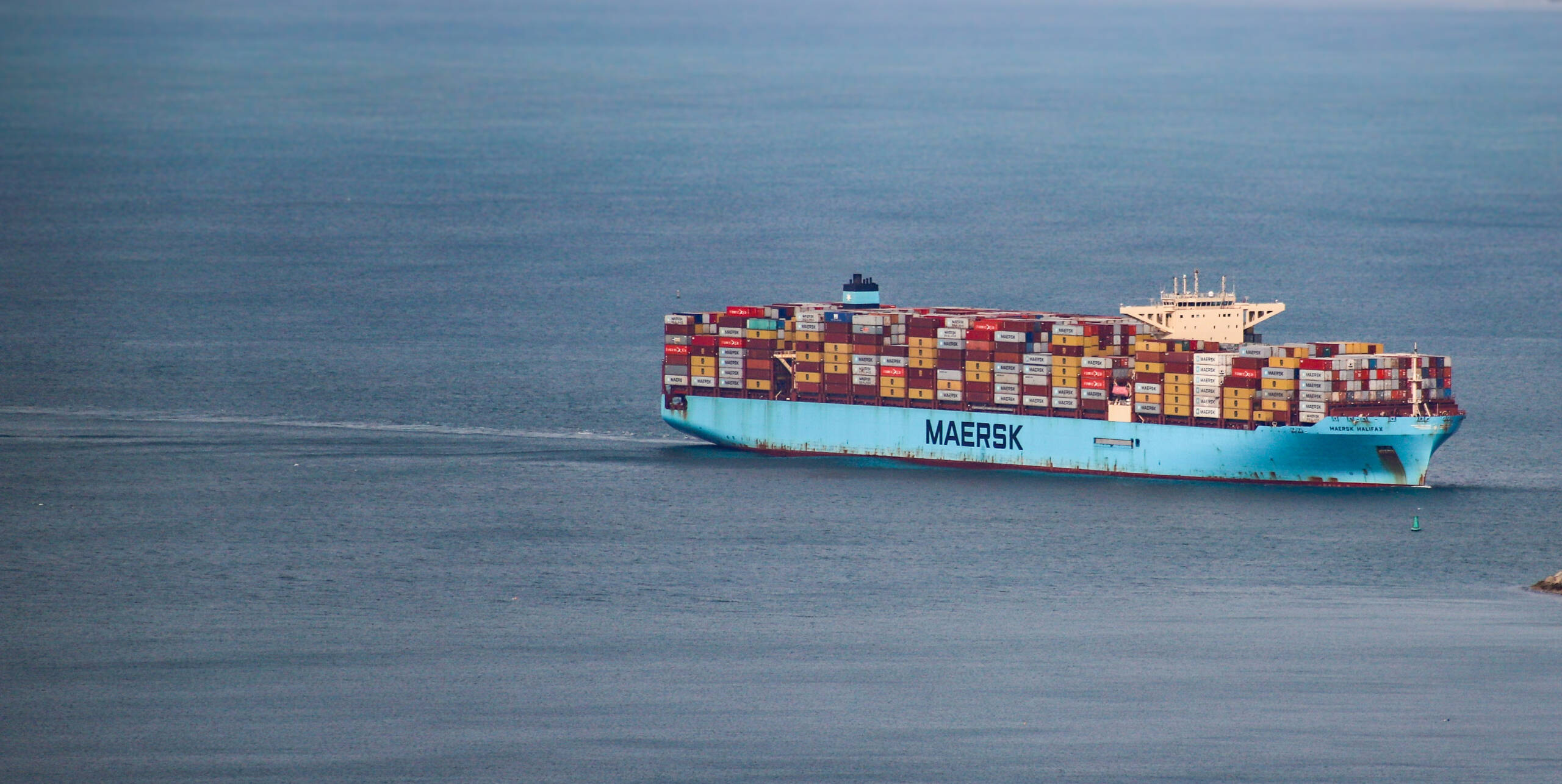
The experiment is part of a broader push to make commercial shipping more efficient and less dependent on fossil fuels. Ocean freight moves an enormous share of global trade, so even relatively small improvements in fuel efficiency can add up when applied across large fleets. Rotor sails have already made appearances on other commercial vessels, but using the technology on a large container ship is particularly interesting. These ships have little spare space on deck, with containers stacked high and equipment competing for every available area. Making a wind-assisted propulsion system work alongside all of that is no small engineering challenge.
Of course, wind power is not going to make a giant container ship completely engine-free. The amount of assistance a rotor sail can provide depends heavily on the route, wind direction, weather and operating conditions. There will be days when the system can contribute significantly and others when its effect is much smaller. But that is not really the point. If a ship can save fuel whenever the conditions are favorable, without sacrificing speed or cargo capacity, the savings could become meaningful over thousands of miles and years of operation.
There is also something rather fitting about the idea. The world’s most advanced container ships, carrying sophisticated cargo across global trade routes, could once again be getting a little help from the wind. This time, though, the sail is a 35-meter rotating cylinder rather than a sheet of canvas. Maersk’s trial will show whether this old source of energy can find a practical place alongside the engines, electronics and massive logistics networks that power modern shipping.