Recent Posts
Ship Scrapping Falls in 2026 as Record Freight Rates Keep Old Tankers Trading
The story everyone expected this year was a boom at the breaking beaches of Alang, Chattogram and Gadani. The tanker fleet is older than it has been in decades, the Hong Kong Convention finally came into force, and carbon rules are squeezing the least efficient hulls. The numbers say otherwise. Clarksons Research counts 273 ships sold for recycling from January to September 2026, about 5.5 million gross tons or roughly 8 million dwt.
read more
Oneworld’s Digital Check-In Upgrade Addresses a Persistent Friction in Multi-Airline Travel
Oneworld has introduced an enhanced digital check-in experience for multi-carrier journeys, allowing passengers to scan passports, receive boarding passes and save them to digital wallets through their preferred airline’s digital channels. The alliance says the supporting technology is available across its member carriers and connects their systems through a shared platform. Further phases are expected to address codeshare check-in and dynamically updated boarding passes, so those functions should be distinguished from the capabilities announced as available now.
read more
US Transport Policy Hits Four Deadlines at Once: a $30 Billion FAA Ask, a Highway Trust Fund Running Dry, the CDL Crackdown and the Union Pacific Merger Test
American transport policy usually moves slowly enough to ignore for a quarter. Not this autumn. The 2021 infrastructure law expired on 30 September, the FAA wants another $30 billion, a federal rule is pushing truck drivers off the road, and a regulator is testing the biggest rail merger in a generation under rules it has never used.
CrossGov.com, a site that covers US government with a federal focus, has published a set of posts that between them map the whole board.
read more
Rep. Garamendi Hosts Bay Area Summit to Rebuild America's Maritime Industry
VALLEJO, CA — Congressman John Garamendi convened a maritime summit last week, pulling together military officers, labor leaders, educators, and elected officials from the local level up through Washington to talk through what it will take to rebuild the Bay Area’s maritime industry.
Garamendi’s message was blunt: this isn’t really about any single ship or carrier. “Rebuilding the maritime industry is a national and economic security requirement,” he said. “This isn’t just about a new battleship or aircraft carrier, it’s about our country’s ability to build, maintain and crew the maritime capabilities our country relies on.
read more
IAA Transportation 2026 Opens With 700 km Electric Trucks and Almost Nowhere to Charge Them
Hannover opens its doors on 15 September (press day the 14th), and the exhibitor list promises more than 150 world premieres. Most of the attention will go to the vehicles, which is understandable, because the vehicles are finally good.
MAN gives the eTGX its first public showing with a new battery generation, six packs, 552 kWh. Volvo brings the FH Aero Electric with a new electric axle and a claimed 700 kilometres.
read more
Container Fleet Tops 34 Million TEU and Carriers Own 65% of It
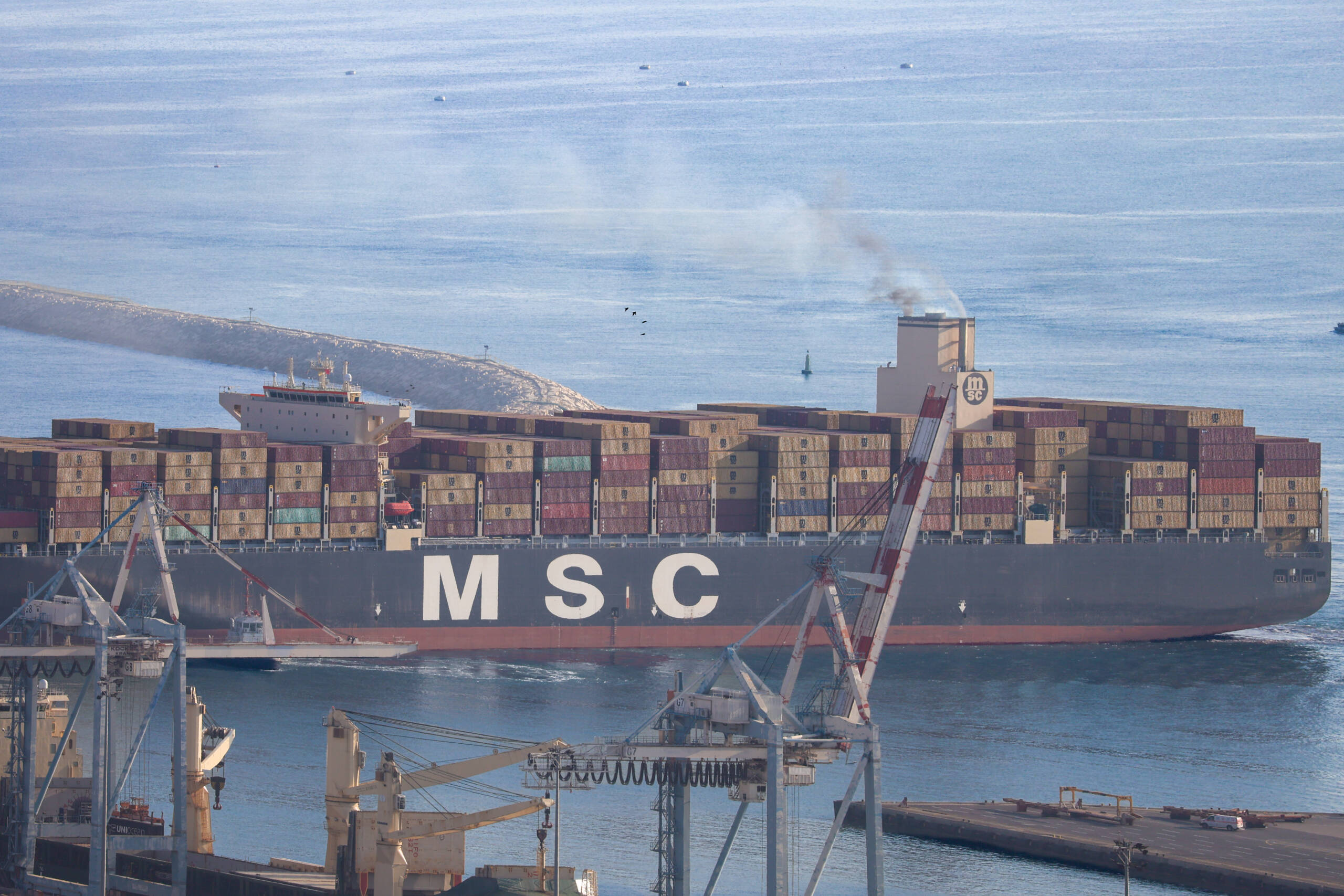
BIMCO put global container fleet capacity at 8,000 TEU below the 34 million mark at the start of September. Forty-six ships totalling 286,000 TEU were scheduled for delivery during the month, so the threshold fell within days of the count being taken. The round number matters less than the rate behind it. The fleet has added 10 million TEU in five and a half years, a 42% expansion, against the previous 10 million TEU increment, from 14 million to 24 million, which took more than ten and a half years to arrive.
read more
The Return of Wind-Powered Shipping
The future of ocean shipping might look surprisingly old-fashioned. After decades of relying almost entirely on engines, fuel and increasingly sophisticated onboard technology, the shipping industry is taking another look at something sailors have depended on for thousands of years: wind.
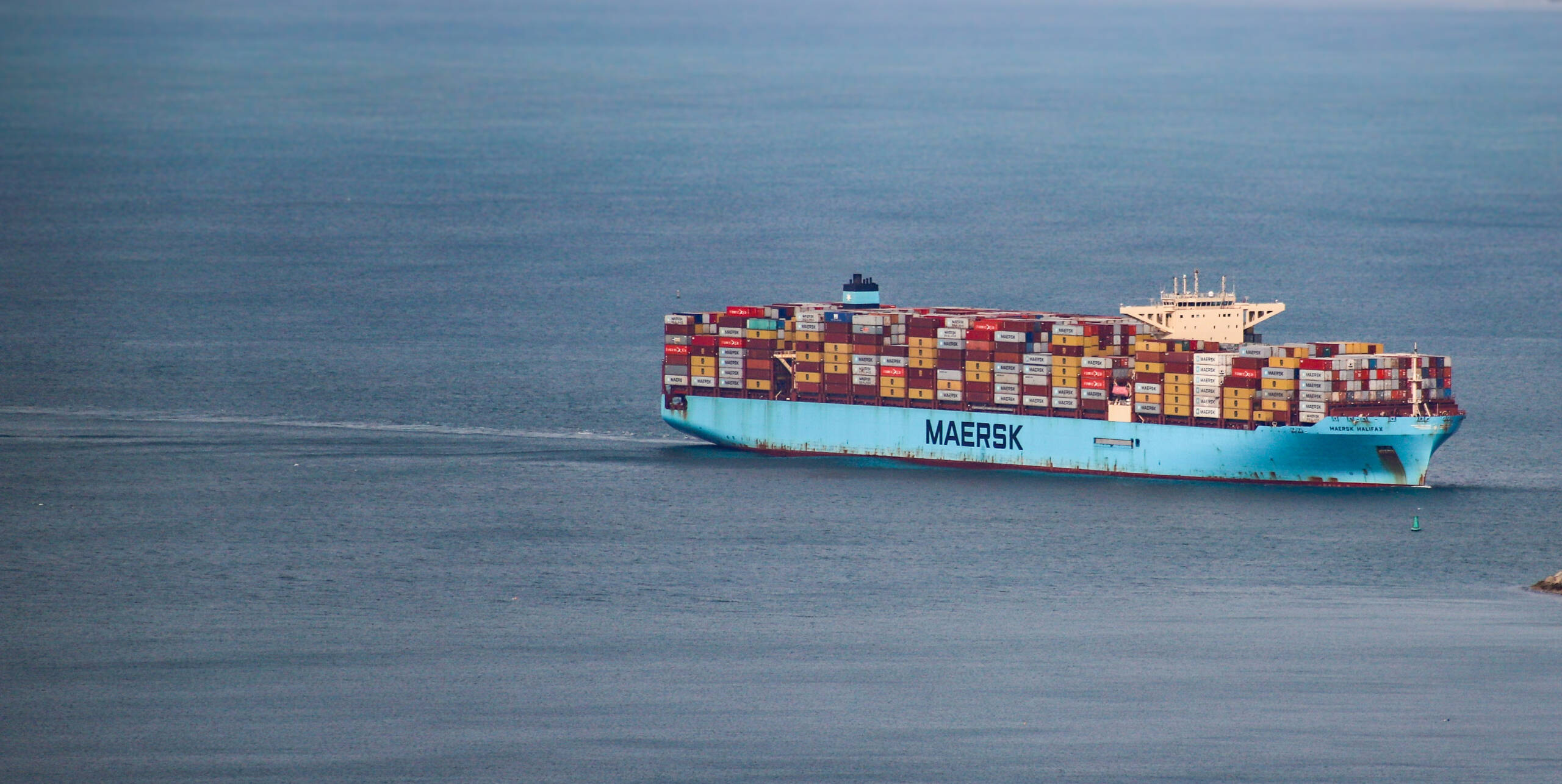
Maersk is preparing to put that idea to work on a modern container ship, agreeing to install a 35-meter rotor sail on one of its 8,700-TEU vessels. Developed by Anemoi Marine Technologies, the rotor sail is expected to be installed by mid-2027 and tested while the ship continues its normal commercial operations.
read more
Why It Takes Three Tugs to Dock a 366-Meter Container Ship
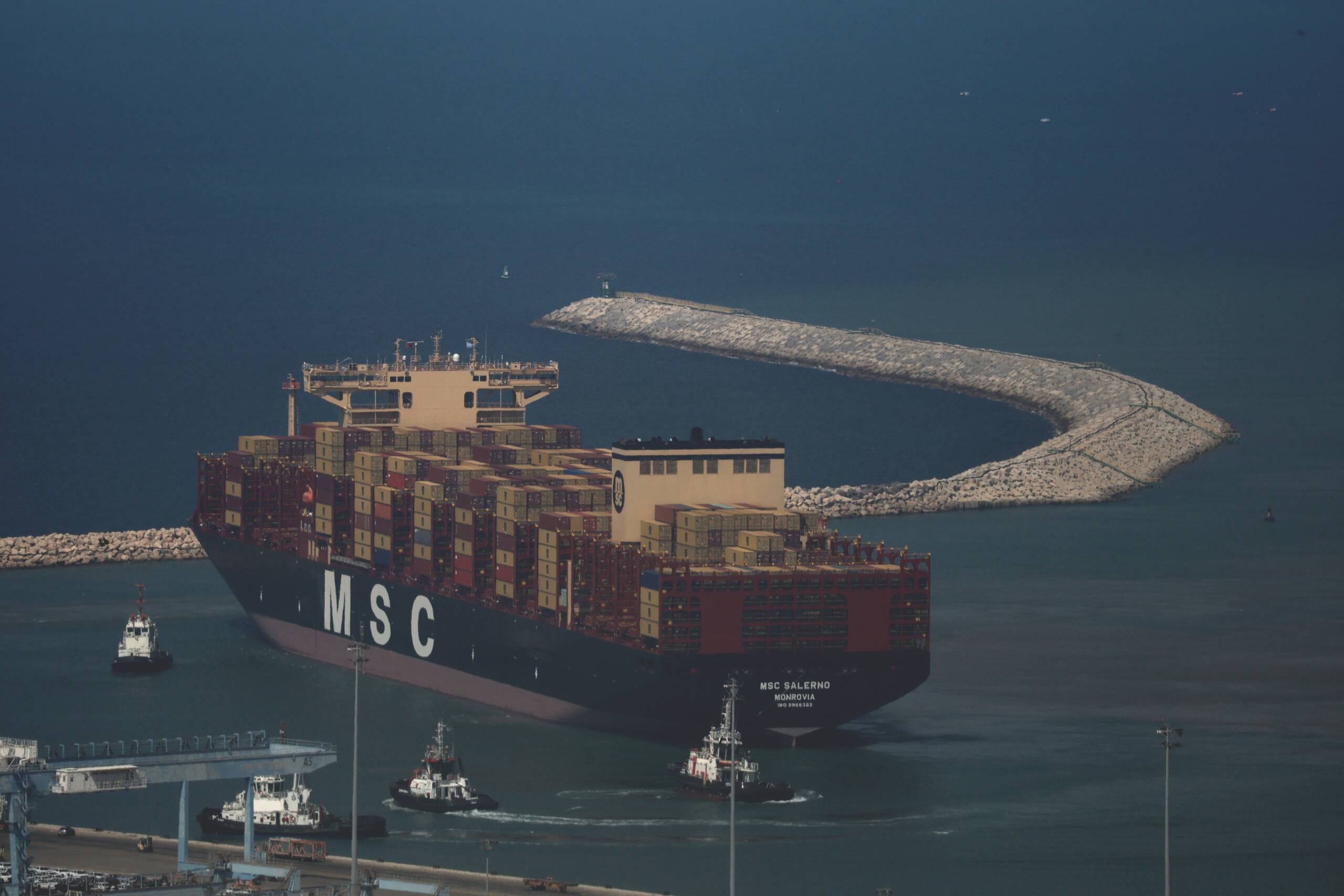
A modern container ship arrives at the breakwater doing four or five knots and immediately becomes the least maneuverable object in the harbour. That’s the part people miss when they watch the process. The ship isn’t being helped along. It has effectively stopped being able to steer itself, and three small boats are now doing the job its 60,000-kilowatt main engine can’t.
The reason is that a rudder is a wing.
read more
Hexagon Buys Guidance Marine to Add Relative Positioning to Its Maritime Sensor Stack
Hexagon has agreed to acquire Guidance Marine, a Leicester-based maker of sensors that tell a ship how far it is from the thing it is trying not to hit. Completion is expected by the end of 2026, after which Guidance Marine will sit inside Hexagon’s NovAtel Positioning Division, part of the Autonomous Solutions Business Area.
The financial shape of the deal is modest. Guidance Marine booked roughly €22 million in revenue for the year ended 31 December 2025, at an operating margin above Hexagon’s group average.
read more
China Export Growth Slowed to 24% in July While Trans-Pacific Rates Climbed
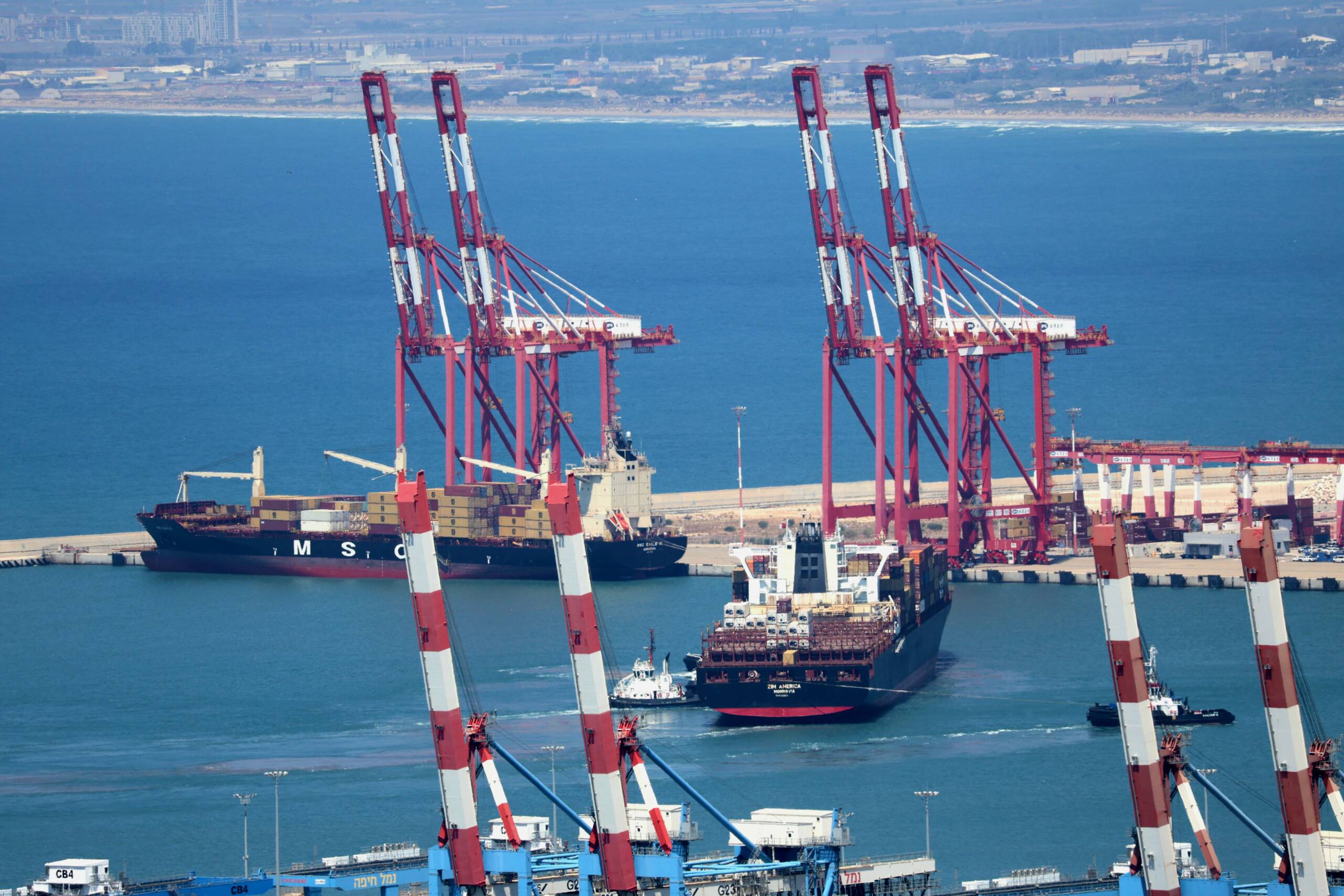
The number that produced the slowdown headlines was an export gain of roughly 24% year on year in July, down from about 27% in June. Customs also reported the trade surplus narrowing to $112.5 billion from $125.6 billion, with imports up 27.5% against a 36% jump the month before. Both prints came in ahead of what analysts expected. In almost any other year, a 24% export print would have been the story by itself rather than the evidence of decline.
read more