COSCO Reopens Asia–Gulf Container Routes as Strait of Hormuz Becomes a Controlled Corridor
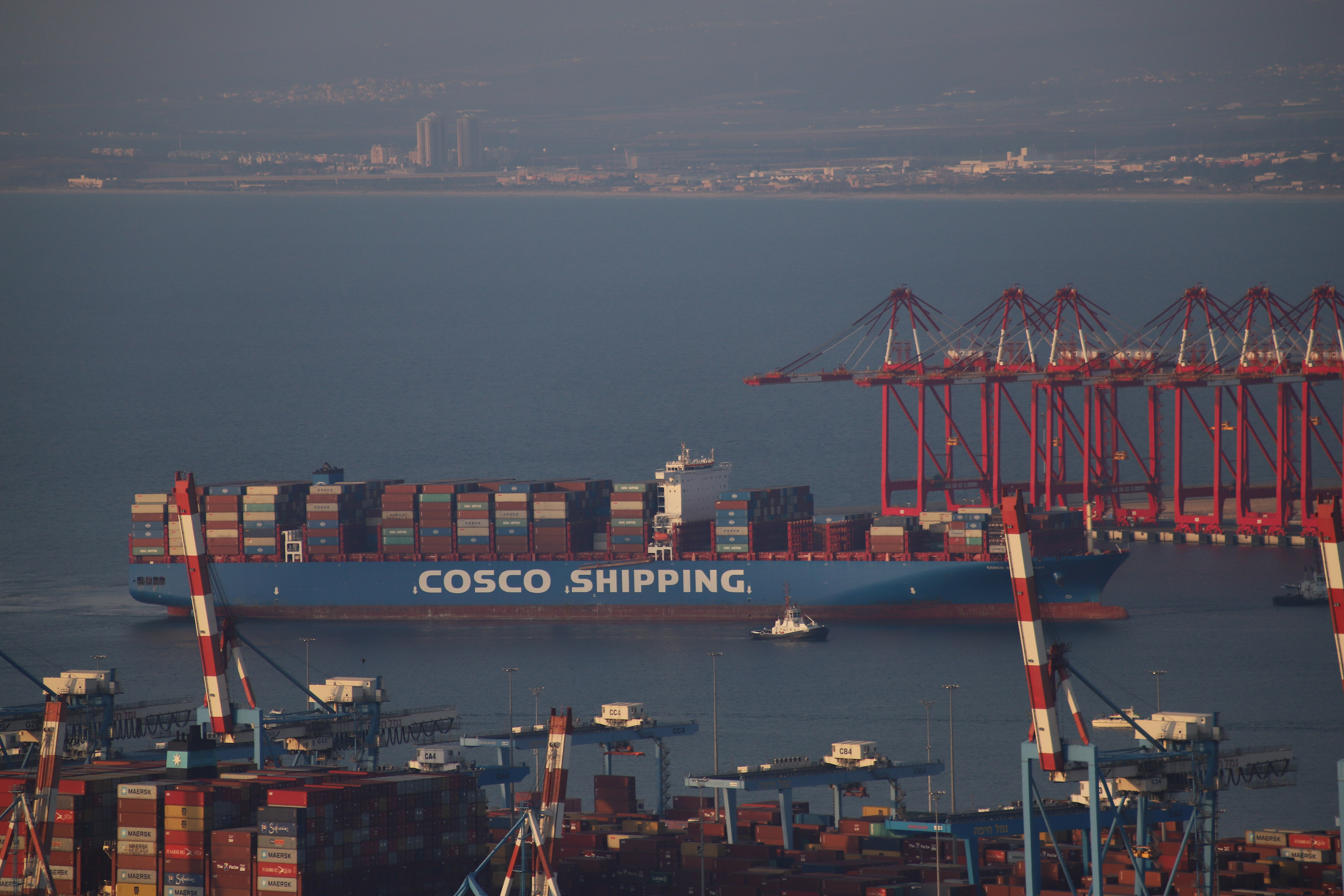
COSCO’s decision to restart container-ship bookings between Asia and the Gulf is less a routine logistics update and more a signal flare in a deeply fractured maritime landscape. After weeks of disruption, where vessel traffic through the Strait of Hormuz slowed to a near standstill, the move suggests that shipping is beginning to adapt—not to stability, but to a new kind of managed uncertainty.
The Strait, long treated as a neutral artery of global trade, has effectively shifted into a controlled passage. Iran’s ability to restrict, permit, or condition transit has reshaped the operational logic of shipping in the region. Access is no longer assumed. It is negotiated, assessed, and in some cases selectively granted. That alone changes how carriers think about routing, risk, and scheduling.
COSCO’s reopening focuses specifically on container traffic, which is telling. Unlike crude oil or LNG shipments, container flows are more flexible and more sensitive to insurance thresholds and operational risk models. When a major carrier resumes bookings in such an environment, it signals that a minimum viable framework—however fragile—has emerged. Not a return to normal, but a recalibration of what is considered acceptable exposure.
At the same time, the broader system remains strained. Many vessels continue to reroute or hold position outside the Gulf, insurance premiums remain elevated, and the market is fragmented between ships that can move under certain conditions and those that cannot. Reports of workaround behaviors—identity masking, indirect routing, negotiated passage—underline how far the system has drifted from standard maritime practice.
What makes COSCO’s move particularly important is that it functions as a real-time indicator. Shipping lines operate at the point where geopolitical risk meets commercial necessity. Their decisions are not theoretical; they reflect insurance approvals, security assessments, and customer demand converging into action. If COSCO expands operations further, it may signal growing confidence in a controlled corridor. If it pauses again, that would suggest the opposite.
There is also a longer-term implication beginning to surface. If access to one of the world’s most critical chokepoints becomes conditional rather than universal, the principle of open maritime trade is subtly eroded. What replaces it is a system shaped more by alignment, negotiation, and power than by established norms. Trade continues, but under a different set of assumptions.
So the headline is not simply that ships are moving again. It is that they are moving under new rules—rules that are still forming, still unstable, and increasingly central to how global trade will function if this pattern holds.