Evergreen’s $1.5 Billion Fleet Expansion and the Quiet Strength of Mid-Size Container Shipping
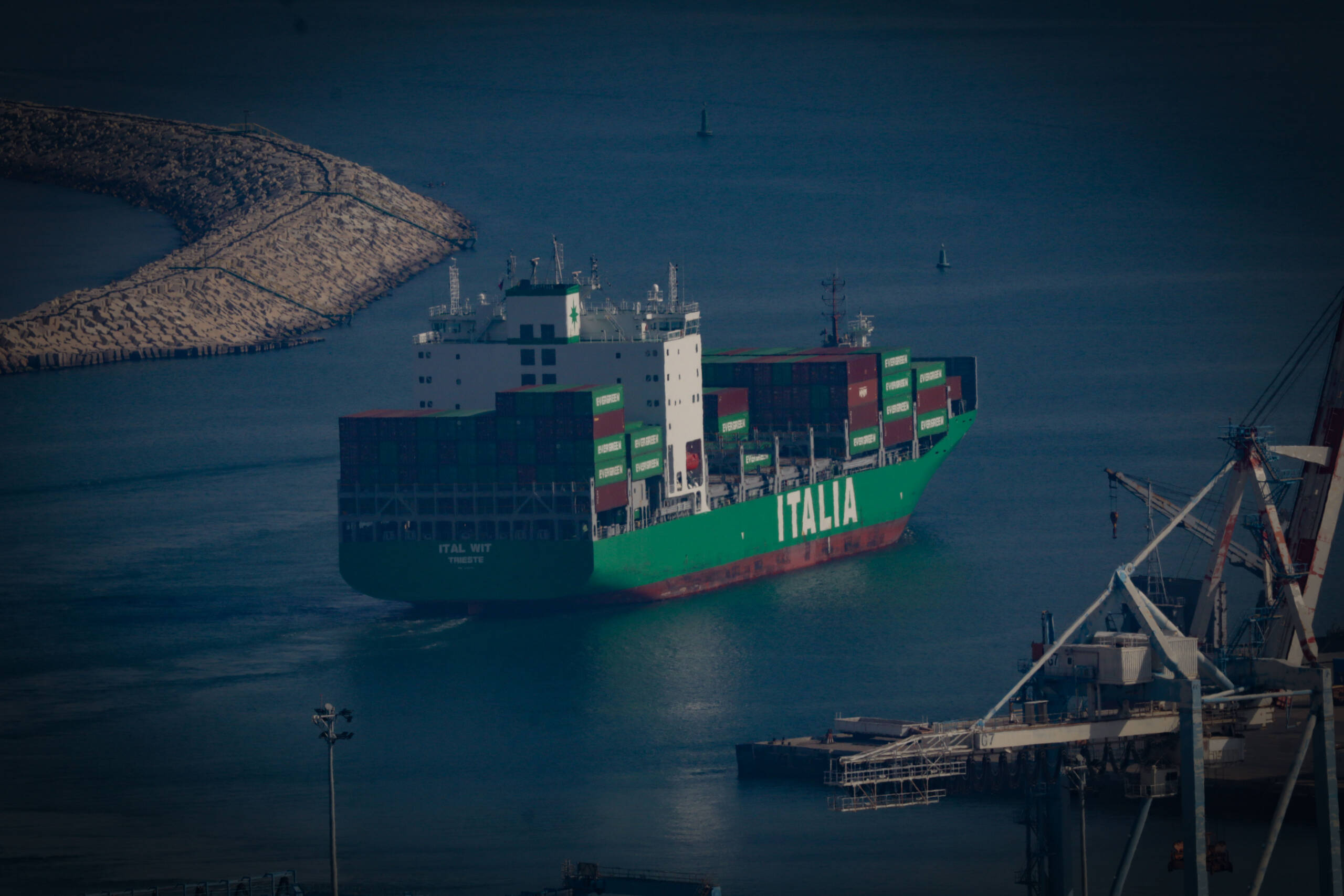
A container ship approaching harbor often looks deceptively calm. From a distance the vessel moves slowly, almost gracefully, stacks of containers arranged in careful geometric order like colored blocks rising from the deck. Yet that quiet image hides a massive system of global trade flows, fleet strategy, shipyard capacity, and the constant recalibration of logistics networks. The recent decision by Evergreen Marine to order 23 new container vessels from Chinese shipyards, in a deal estimated at roughly $1.5 billion, offers a revealing glimpse into how shipping companies are positioning themselves for the next phase of global maritime commerce.
The announcement itself might seem modest when compared with the enormous mega-ship orders that dominated headlines over the past decade. During the peak of the container boom, shipping lines competed to build ever larger vessels, pushing capacities beyond 20,000 TEU and concentrating trade on the major east-west routes between Asia, Europe, and North America. Those ships, towering above the water like floating industrial districts, became symbols of globalization at full scale. But Evergreen’s new order signals something slightly different. Rather than focusing exclusively on ultra-large container ships, the company is investing heavily in mid-size vessels, the workhorses that quietly stitch together the global supply chain.
Mid-size container ships occupy a critical niche in maritime logistics. Typically ranging from several thousand to around ten thousand TEU, these vessels are small enough to access a wider range of ports yet large enough to operate efficiently on regional and secondary trade routes. They connect major hub ports with smaller terminals, feed cargo into the mainline routes operated by mega-ships, and maintain trade flows where infrastructure or geography limits the use of very large vessels. In other words, they form the connective tissue of global shipping networks.
For Evergreen, the fleet expansion represents both renewal and strategic positioning. Much of the global mid-size container fleet was built during earlier shipping cycles, particularly in the late 2000s and early 2010s. As these vessels age, shipping lines face increasing pressure from environmental regulations, fuel efficiency requirements, and operating costs. New ships offer dramatically improved performance, including more efficient engines, optimized hull designs, and readiness for alternative fuels. Ordering a new generation of vessels allows carriers to retire older ships while maintaining operational flexibility.
Environmental regulation is a major factor behind the shift. The International Maritime Organization’s tightening emissions standards and the broader push toward decarbonization are reshaping fleet investment decisions across the industry. Modern container ships are being designed with dual-fuel capabilities, improved energy efficiency systems, and the ability to adapt to future fuels such as methanol or ammonia. Even when ships are not immediately powered by these fuels, the architecture of new builds increasingly anticipates the energy transition underway in maritime transport.
Another driver is the evolving geography of trade itself. While the largest vessels dominate major routes such as Asia-Europe or transpacific corridors, the fastest growth in container demand is often found in regional markets. Southeast Asia, India, Africa, and parts of the Mediterranean continue to expand their port infrastructure and manufacturing capacity. These emerging logistics corridors rely heavily on mid-size ships capable of serving ports that are not designed for ultra-large vessels.
In this context, Evergreen’s order reflects confidence in the continued importance of these secondary and feeder networks. Global shipping is not simply a story of giant vessels crossing oceans; it is also about the complex choreography of cargo moving through dozens of intermediate ports. Mid-size ships make that choreography possible.
Shipbuilding dynamics also play a role. Chinese shipyards have become the dominant producers of commercial vessels, offering competitive pricing and the ability to deliver large series of ships within predictable timelines. For shipping lines planning multi-year fleet renewal programs, the scale and efficiency of Chinese yards provide an attractive option. The Evergreen order therefore reinforces another structural trend in the maritime industry: the consolidation of global shipbuilding capacity in East Asia.
Timing matters as well. The container shipping industry experienced extraordinary profits during the pandemic-era supply chain disruptions, generating record cash reserves for many carriers. Those profits allowed shipping companies to invest heavily in new vessels and infrastructure. As freight rates normalize and the industry moves into a more balanced phase, companies are focusing on strategic fleet modernization rather than pure capacity expansion. Evergreen’s order fits neatly into this pattern.
The move also highlights a subtle shift in industry thinking about risk. Mega-ships offer enormous economies of scale, but they also concentrate operational exposure. When one ultra-large vessel is delayed or rerouted, thousands of containers are affected. Mid-size ships provide greater flexibility, allowing carriers to adjust routes, redistribute cargo, and maintain service frequency even when conditions change. In a world where geopolitical tensions, climate events, and supply chain disruptions are increasingly common, that flexibility has growing value.
Looking ahead, Evergreen’s investment suggests that the next decade of container shipping will not be defined solely by ever larger ships. Instead, the industry may settle into a more balanced fleet structure, where mega-ships dominate the main trunk routes while mid-size vessels handle the intricate network of regional trade and port connectivity.
For observers watching a container ship approach a harbor entrance, the scene can appear almost timeless. The vessel glides forward, cranes stand ready along the quay, and the containers themselves reveal little about the strategic decisions behind them. Yet each ship reflects years of planning, billions in investment, and the evolving architecture of global commerce. Evergreen’s fleet expansion is one more signal that the future of shipping will rely not just on the giants of the sea, but on the adaptable, versatile ships that quietly keep the world’s trade moving.