Brazil Prepares to Auction Tecon Santos 10, March 2026, Santos, Brazil
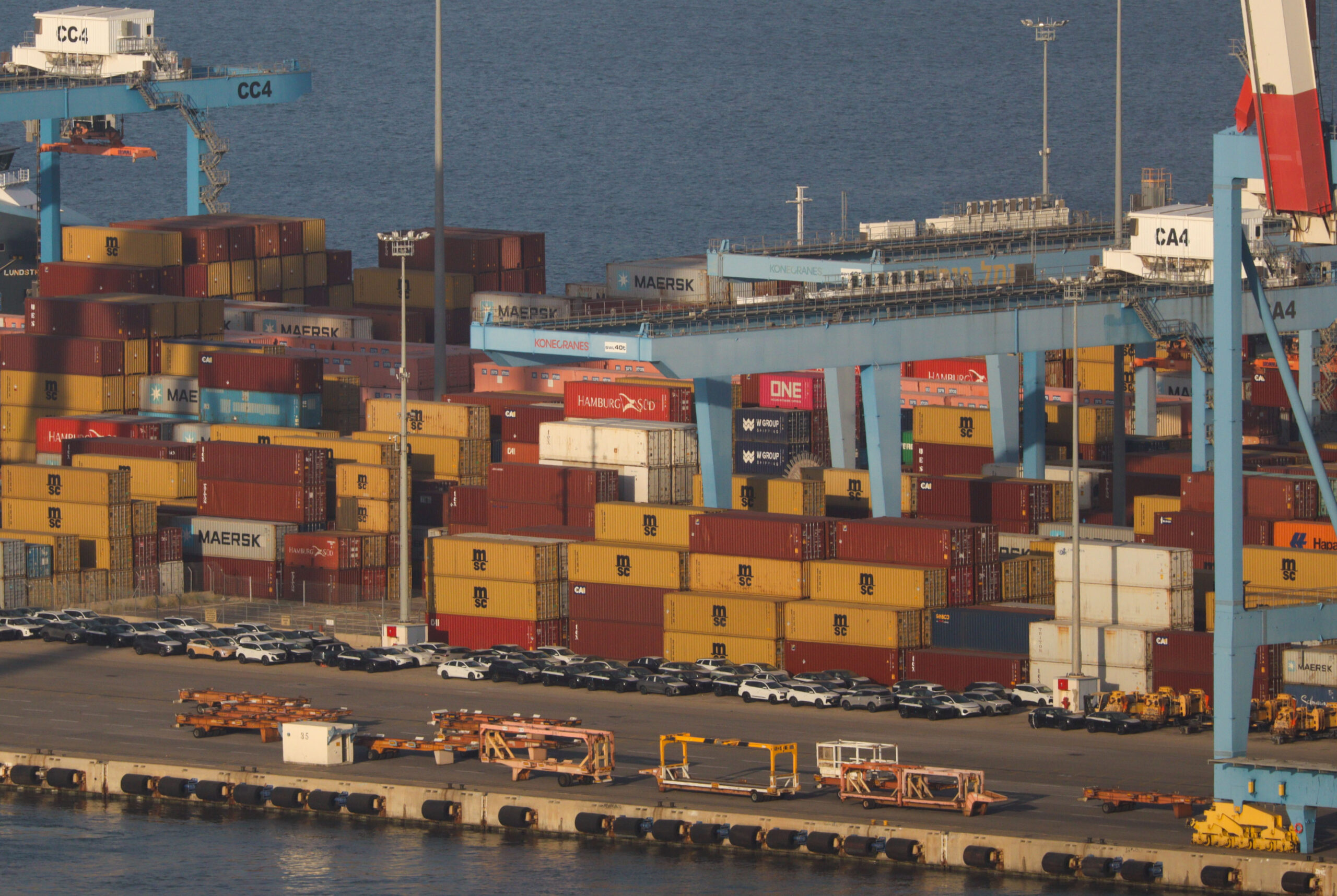
Brazil is quietly setting the stage for one of the most consequential infrastructure moments in its modern logistics story, with the government confirming plans to auction the massive Tecon Santos 10 container terminal in early March 2026. The scale alone explains the attention: this single terminal is designed to expand container capacity at the Port of Santos by roughly fifty percent, a leap that effectively redraws the operational limits of South America’s busiest port. Officials are framing the project around more than R$6 billion in long-term investment, not as a flashy announcement but as a necessary correction to years of demand quietly pressing against physical constraints. Anyone who has watched queues build offshore or schedules slip knows that ports rarely fail dramatically; they fail slowly, transaction by transaction, until competitiveness erodes. This auction is Brazil signaling it wants to stay ahead of that curve, even if the politics get messy along the way.
Shot with Canon R100 and a TTArtisan 50mm f/1.2
What makes Tecon Santos 10 especially charged is not just the concrete and cranes, but the rules of engagement. Brazil’s Federal Audit Court, the Tribunal de Contas da União, has pushed for a two-stage auction structure that effectively bars current Santos container terminal operators from participating in the first round. The rationale is competition-driven: allowing incumbents to immediately consolidate control at the port could entrench market power in a way that spills downstream into freight rates and supply-chain leverage. Only if the first phase fails would existing operators be allowed to bid. On paper it’s a clean antitrust logic; in practice it has sparked months of legal positioning and quiet frustration from global shipping-linked terminal operators who argue that excluding experienced incumbents risks higher execution risk and slower ramp-up. It’s one of those policy decisions that looks elegant in spreadsheets and far more complicated once ships are actually lining up at the berth.
The bidder landscape emerging around the auction hints at how global the stakes have become. Philippines-based International Container Terminal Services Inc. has openly signaled interest, positioning itself as a standalone contender with a track record of operating large, complex terminals in competitive environments. Brazilian heavyweights, including logistics and industrial groups, are also circling, seeing the terminal not just as a port asset but as a strategic node that connects agriculture, manufacturing, and consumption at national scale. Add to that a mix of foreign capital—from the Middle East and beyond—looking for long-duration infrastructure exposure, and the auction starts to feel less like a domestic concession and more like a referendum on how open Brazil wants its logistics backbone to be. Meanwhile, incumbent-linked players such as Maersk and MSC-related interests, via Mediterranean Shipping Company, have made no secret of their objections to being sidelined, warning that artificial constraints on bidders could ultimately raise costs for the very trade flows the expansion is meant to support.
March 2026, then, is more than a date on a procurement calendar. It’s a moment where Brazil tests whether it can balance competition policy with operational reality, openness to global capital with national strategic control, and long-term infrastructure planning with the short-term friction that inevitably follows. The outcome will ripple far beyond Santos: exporters watching soybean and protein flows, importers counting days and demurrage, and investors benchmarking Brazil against rival logistics hubs are all paying attention. Ports tend to reveal their importance only when they fail; this auction is Brazil attempting to prove it understands that lesson before the warning signs turn into hard constraints.