Shipping Containers, The Quiet Geometry of Global Trade
Funny how the world can obsess over AI chips, rare metals, or shiny electric cars, and meanwhile the most important objects in global commerce sit in plain sight—stacked like oversized Lego bricks in ports, rail yards, and ship decks across the planet. Shipping containers have no glamour, no sleek branding, no influencer campaigns. They look almost aggressively ordinary: corrugated steel walls, a number stenciled in flaking paint, maybe a rusted hinge or dented corner that hints at the storms and forklifts they’ve survived. Yet without them, global trade would slow to a crawl, if not collapse entirely. Every time you unwrap something that says “Made in Vietnam” or “Assembled in Mexico” or “Designed in California,” there’s a silent chance that object once lived inside a container—the unsung carriage in a gigantic, planetary supply chain.
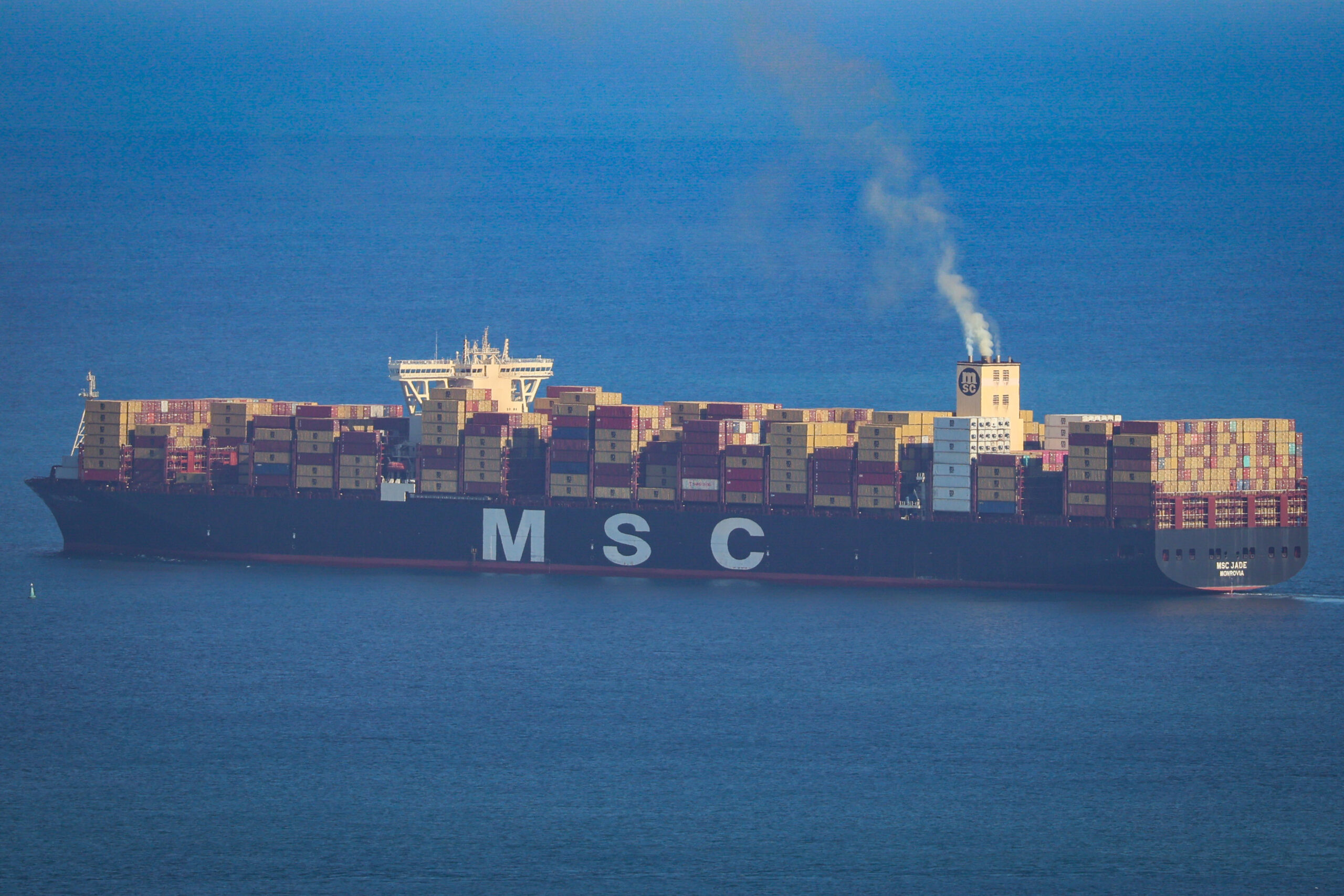
It’s kind of mesmerizing how standardized they are. A 20-foot or 40-foot steel rectangle became the universal language of trade, allowing ships to load and unload faster, cranes to operate with military precision, trucks and trains to move goods without anyone stopping to repack or adjust sizing. Before this era, cargo shipping looked chaotic. Goods were loaded piece by piece, crated, jumbled, often delayed for days or weeks in ports. Theft? Rampant. Labor costs? Enormous. When the first standardized container system took hold in the 1950s and 60s, it wasn’t just an engineering trick—it rewired the rules of economics. Suddenly, moving something across oceans became cheaper than moving it across the same country by road. Entire industries reorganized around that fact.
Walking through a port—if you ever get the chance—you notice the strange poetry of it. Rows of containers stacked ten stories high, colors fading under sun and sea wind, forming a grid that looks almost like brutalist architecture meets abstract art. Some still carry the smell of distant cargo: spices, machine oil, coffee beans. Others have been converted into cafes, micro homes, or temporary storage far from the sea, proving that their usefulness doesn’t end when their shipping life does. They feel sturdy and stubborn, as if they exist to quietly defy the chaos of storms, bureaucracy, and time.
Yet, despite how essential they are, their dominance is oddly fragile. The world got an uncomfortable reminder during the pandemic when a tiny disruption in container circulation caused prices to spike, wait times to balloon, and entire logistics chains to shudder. A shipping container shortage sounds absurd—like running out of envelopes in a post office—but that moment exposed how dependent we are on a relatively small manufacturing ecosystem, heavily concentrated in one country. These steel boxes may be standardized, but production? Not so much. That dependency makes containers not only logistical assets but geopolitical variables.
Even now, as trade evolves, autonomous ports rise, and AI scheduling systems optimize every berth slot, shipping containers remain irreplaceable. No blockchain ledger, robotic crane, or futuristic drone delivery system has dethroned them. Maybe they never will. The shipping container is one of those rare inventions so effective, so absurdly optimized, that it becomes almost invisible—the infrastructure equivalent of punctuation marks in a sentence. You only notice them when something goes wrong.
Somewhere right now, a crane is locking one into place. Somewhere else, a customs official scans one, a truck driver secures one, a container ship captain recalculates weight distribution for thousands of them at once. And tomorrow—or weeks from now—that same metal box will arrive at a different harbor, unloaded with no ceremony and sent on its way again, anonymous yet essential.
Not a hero with a cape. More like a stubborn steel heartbeat keeping global trade alive.